
A Changing Political Landscape in Gwinnett
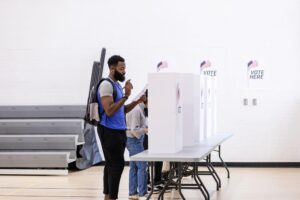
Gwinnett County has become one of the most diverse and politically influential counties in the state. With nearly 1 million residents, the county has experienced rapid population growth and demographic change over the last decade.
This transformation has reshaped local politics. Communities that were once underrepresented—including Black voters—now play a decisive role in determining who wins elections for city offices, county leadership, school boards, the state legislature, and Congress.
Across the metro Atlanta region, the number of registered Black voters increased significantly in recent years, contributing heavily to the expansion of Georgia’s voter rolls.
In Gwinnett, this trend means that Black voter turnout is often a key factor in close elections.

Black voters are now a major part of the electorate in Gwinnett County. Local voter data shows thousands of registered voters across precincts, broken down by race and gender, demonstrating the strong presence of Black male and female voters throughout the county.
The political impact of this group is especially noticeable in:
County Commission races
School board elections
State legislative seats
Congressional districts
In many of these races, victories are decided by only a few thousand votes, meaning turnout from any key demographic group can shift the outcome.

Why the May Election Matters
Many voters focus on presidential elections in November, but primary elections held in May often decide the outcome of local races before the general election even occurs.
In Gwinnett County, the May primary ballot typically includes contests for:
Congressional nominations
State House and Senate seats
Local judicial positions
School board races
County offices
Because turnout in primaries is usually lower, a relatively small number of voters can determine who advances or wins outright.
Historically, primary turnout can be significantly smaller than general elections, meaning community participation during these early elections can be decisive in shaping the final ballot.
The Rising Influence of Black Voters in Gwinnett
The Importance of the Black Male Vote
While Black voters overall have strong civic participation, researchers have identified a gender gap in turnout. Women make up a larger share of registered Black voters than men, and turnout among Black men—particularly younger voters—has declined in some elections.
That gap is why the Black male vote is receiving increased attention from civic leaders and community organizers.
Why Black male turnout matters
Black men represent a powerful voting bloc because they influence issues such as:
Economic development and job creation
Criminal justice and policing policies
Education and workforce training
Small business growth
Community investment
When Black men vote in large numbers, their participation can help shape policy priorities and the direction of local government.
A Community Voice in Local Leadership
Many voters focus on presidential elections in November, but primary elections held in May often decide the outcome of local races before the general election even occurs.
In Gwinnett County, the May primary ballot typically includes contests for:
Congressional nominations
State House and Senate seats
Local judicial positions
School board races
County offices
Because turnout in primaries is usually lower, a relatively small number of voters can determine who advances or wins outright.
Historically, primary turnout can be significantly smaller than general elections, meaning community participation during these early elections can be decisive in shaping the final ballot.